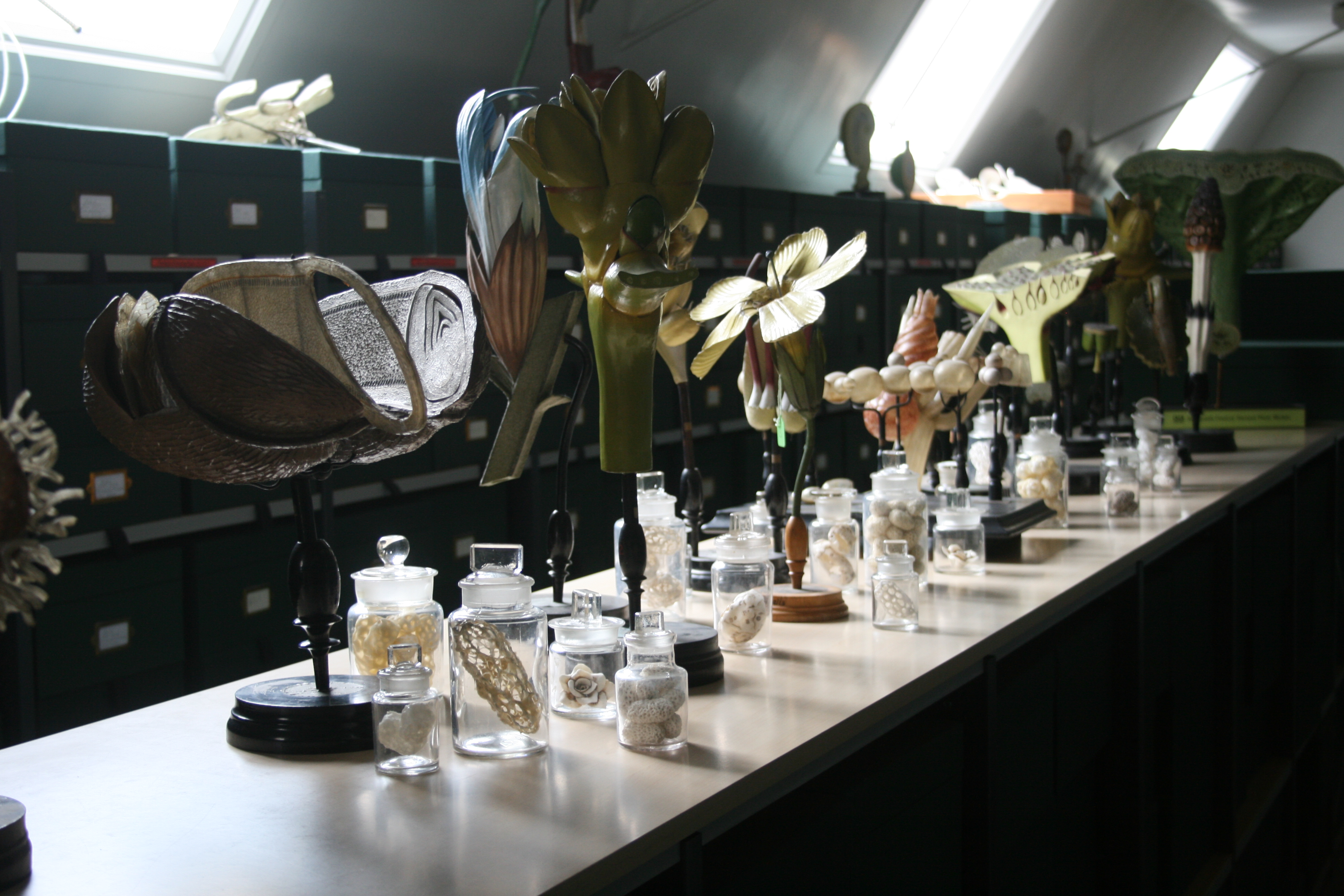
Imagine yourself in a museum of the future where specimens of flora, fauna, botany, are frozen in time…
All bees have died…
No flowers… No pollen… No bees…
I’ve been intrigued by the Manchester Museum and its collections since I first visited the Herbarium as a college student, accompanying my sister Jenna Carine Ashton, who was running workshops for the museum alongside her PhD. Since then I have returned again and again to the natural environments collections – particularly those of Botany and Entomology – to generate ideas for my ceramic with mixed media artworks.
At these visits, the curators Dmitri and Lindsey have been most generous with their time and ideas, often donating discarded items from their stores that I might find useful – such as original old newspapers, plant specimens, specimen jars and display boxes. I have integrated these materials within my pieces, thus forging a significant link with the Manchester Museum and its collections.
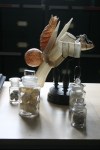
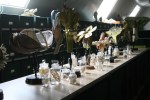
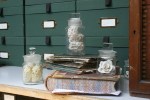
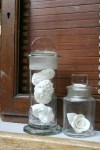
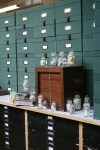
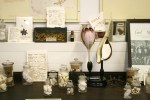
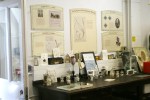
The installation is a surreal scene recreating that of a museum display. I am passionate about the current decline of bees, and so created this artwork with the question what might a museum display look like if bees were to disappear? Not only would bees disappear, but the natural cycle itself would also be in chaos, with the result of specific flowers also disappearing. Ultimately, my aim is to encourage visitors to contemplate the bees’ plight, and hopefully become motivated to do more themselves.
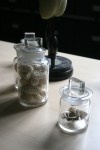
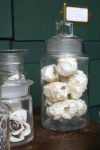
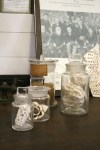
The installation itself is made up of 25 donated Entomology jars, each containing my own handmade porcelain “specimens” symbolising a part of flora, such as pollen grains and seeds, or of a particular reference to bees. In addition, a further 15 paper-thin porcelain tableaux illustrate texts from individual poems: the combined figure of 40 represents the number of days in a bee’s lifespan.



 Jade Alana Art